A civic identity Stowe Township can run itself
A new wordmark, logo, and plain-language brand system for Stowe Township, documented so a small staff can apply it consistently without a designer on call.
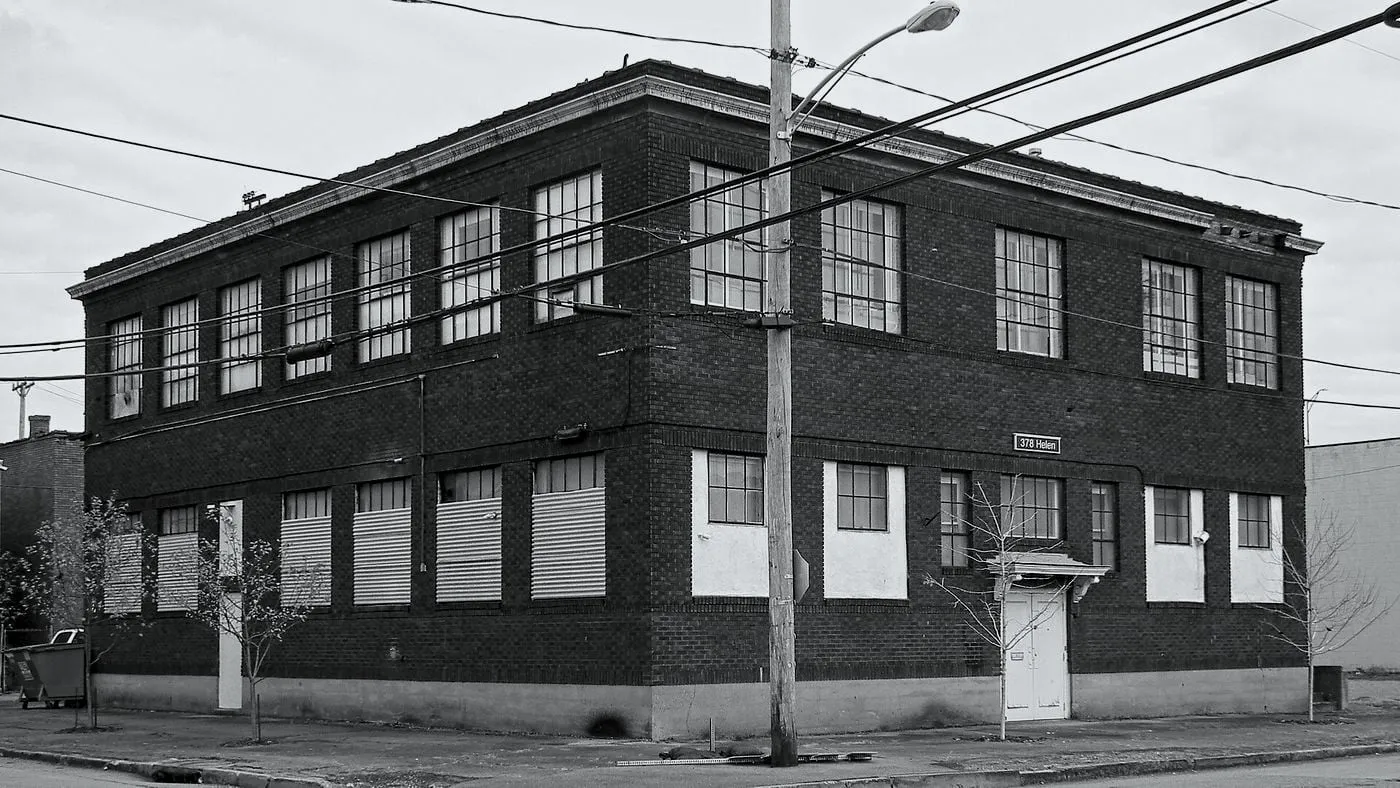
Stowe Township sits along the Ohio River in Allegheny County, next to McKees Rocks and our own front door. Like a lot of small municipalities, it had grown a visual identity by accident: a logo few people could find a clean copy of, notices and signage that never quite matched, and nothing written down to keep it consistent from one administration to the next.
The challenge
A township of a few thousand residents does not have a marketing department. It has a small staff doing many jobs at once. Any identity we delivered had to be something they could actually use day to day, on a council agenda, a Facebook post, a water notice, and a sign, without calling a designer every time.
Our approach
We started with the place. Stowe is a river town with a steel-era past, plain and hardworking, and the identity needed to read that way: confident and civic, never fussy. We designed a durable wordmark and a simple, reproducible logo that holds up at sign scale and at favicon scale, in one color on a black-and-white form as readily as in full color.
Around the mark we built a small, practical brand system: an accessible color palette and type scale verified against WCAG 2.2 AA contrast, clear usage rules, and ready-to-use templates for the documents the township actually produces. The guidelines are written in plain language, with examples of what to do rather than abstract theory.
Designing a mark a township can reproduce
A logo for a small government has to survive real conditions. It gets faxed, photocopied, printed in one color on a public notice, embroidered on a jacket, and shrunk to a favicon. We designed the mark to hold up across all of that: clear at a distance and at thumbnail size, legible in a single color, and just as correct in black and white as in full color. There is no gradient, no fine detail that disappears at small sizes, and no version that depends on an expensive print process. A clerk with a desktop printer can produce a clean, on-brand document without help.
A system written for non-designers
Brand guidelines usually assume a designer is reading them. We wrote Stowe’s the other way around, for the staff who actually open them: the person laying out a water notice, the one posting to Facebook, the one ordering signage. The guidelines show the right way to use the mark with plain examples and a short list of what not to do, rather than abstract design theory. The color and type choices were checked against WCAG 2.2 AA contrast from the start, so a document that follows the guide is readable by default, including for residents with low vision.
We also built the templates that turn the system into everyday use: letterhead, a council-agenda layout, a public-notice format, and social-post sizes. Each one is set up so the right fonts, colors, and spacing are already in place, and the staff member only has to drop in their content.
What we delivered
- A primary logo and wordmark with clear-space and one-color variants
- An accessible color and typography system, contrast-checked for public use
- Plain-language brand guidelines a non-designer can follow
- Templates for letterhead, public notices, and social posts
The result is an identity the township owns and can maintain itself, and a foundation the new website was then built on. Because the system was designed to be reproduced by the people who use it, it stays consistent from one administration to the next, without a designer on retainer.